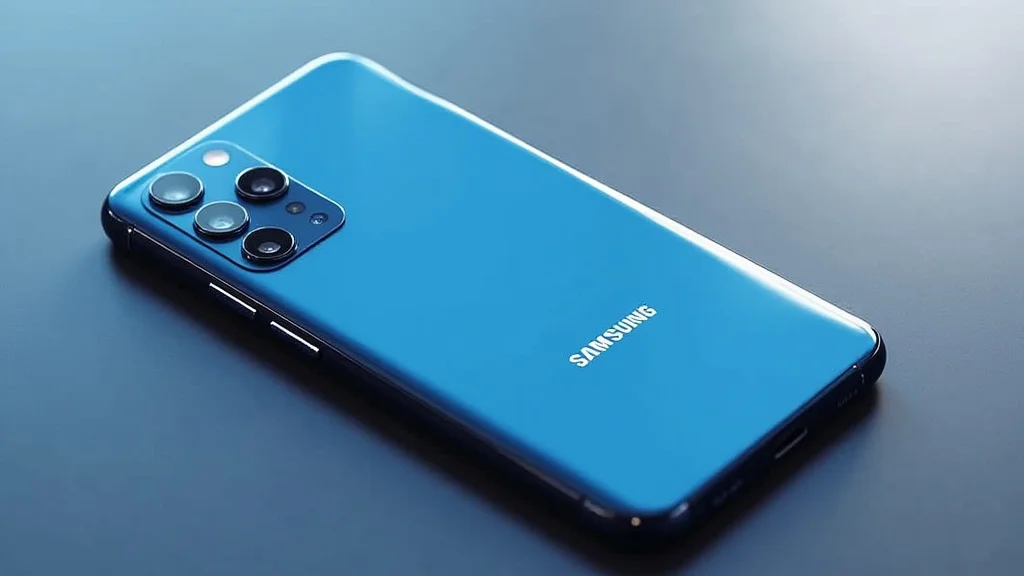
Remember that feeling when you first held a smartphone? It was amazing! Today, choosing a new phone can feel overwhelming. With so many options, including the latest Samsung phones and prices, it’s easy to get lost. This guide is made to help you explore the best Samsung phones, comparing features and prices to make the process easier. By the time you finish reading, you’ll feel confident about the phones that fit your needs. Get ready to explore the exciting options and find your perfect match, saving you time and frustration!
Key Takeaways
- Learn about the key features of the newest Samsung phones.
- Find out how prices vary based on the model and features offered.
- Discover where to find the best deals on latest Samsung phones and prices.
- Compare different Samsung phone models to find the perfect one for your lifestyle.
- Understand the different specifications, like camera quality and battery life.
- Explore the benefits of upgrading to a new Samsung phone.
Unveiling the Latest Samsung Phone Lineup
Samsung consistently introduces new smartphones packed with advanced technologies. From innovative display technologies to powerful processors, each new release aims to elevate the mobile experience. Many factors come into play when considering the latest models, including the screen size, camera capabilities, and overall performance. The constant stream of updates allows for consumers to choose a phone that matches their budget and needs, from the most affordable options to high-end flagship devices. This section will explore the current offerings.
Galaxy S Series: Flagship Excellence
The Galaxy S series represents Samsung’s premium line of smartphones, known for their cutting-edge features and top-tier performance. These phones often showcase the latest advancements in display technology, camera systems, and processing power. The Galaxy S models are usually the first to receive new features, setting a high standard for other phones. The design focuses on sleek aesthetics with premium materials.
- Cutting-Edge Displays: Samsung’s Galaxy S series often features Dynamic AMOLED displays, known for vibrant colors, deep blacks, and high brightness levels. These displays are typically HDR10+ certified, providing an immersive viewing experience for videos and photos. They also include adaptive refresh rates, which can adjust to match the content on the screen to save battery life.
- Advanced Camera Systems: The Galaxy S series phones are known for having amazing camera systems that perform well in different lighting conditions. They usually include multiple lenses (wide, ultrawide, and telephoto) allowing for versatility in photo composition. Features like optical image stabilization (OIS) and advanced image processing enable sharp and detailed photos, even in challenging environments.
- Powerful Processors: Samsung typically uses its own Exynos processors or Qualcomm’s Snapdragon processors, depending on the region. These processors provide the processing power to handle demanding tasks, such as gaming, video editing, and multitasking. The high-performance CPUs and GPUs ensure smooth and responsive performance.
- Premium Design and Build: The Galaxy S series is often constructed with premium materials such as glass and metal. The design often includes features like water resistance and dust protection, which add to the durability of the phone. The phones are known for their sleek aesthetics and comfortable ergonomics.
Galaxy Z Series: The Foldable Revolution
The Galaxy Z series marks Samsung’s entry into the foldable phone market, pushing the limits of what a smartphone can be. These innovative devices offer a unique experience, combining the portability of a smartphone with the larger screen size of a tablet. This series targets users who want a device that offers more screen space for productivity and entertainment. These models have become increasingly refined, addressing previous concerns about durability and functionality.
- Folding Display Technology: The primary innovation of the Galaxy Z series is its foldable display. This allows the phone to transform from a compact form factor to a larger screen when unfolded. Samsung uses Ultra-Thin Glass (UTG) to enhance the durability of the screen.
- Versatile Functionality: The foldable design opens doors to unique features, such as Flex Mode, which allows the phone to stand on its own at different angles. This can be useful for video calls, hands-free video recording, and multitasking.
- Durability Improvements: The Galaxy Z series has undergone significant improvements in durability. The latest models often incorporate tougher materials and enhanced hinge mechanisms to withstand the wear and tear of daily use. They also feature water resistance.
- High-End Specifications: Beyond the foldable design, the Galaxy Z series typically includes top-of-the-line specifications, including powerful processors, advanced camera systems, and high-capacity batteries. These features ensure that the phones perform at the level expected from a flagship device.
Galaxy A Series: Affordable Excellence
The Galaxy A series caters to a wider audience by providing a range of smartphones that offer great value for their price. These phones balance features and affordability, making them popular choices for a diverse range of consumers. The Galaxy A series allows Samsung to reach customers who are looking for reliable performance without paying the high cost of flagship models. The phones often include features like long battery life, attractive designs, and high-quality cameras.
- Value-Driven Features: The Galaxy A series provides many key features found in higher-end models, such as vibrant displays, multi-camera systems, and long-lasting batteries. They offer a great balance of features and affordability, making them an excellent choice for a wider customer base.
- Diverse Range of Models: The Galaxy A series includes a wide variety of models, each designed to meet specific needs and budgets. This selection includes everything from entry-level phones to those that closely mirror flagship specs.
- Stylish Designs: The Galaxy A series often showcases modern designs with attractive finishes and colors. They aim to provide a premium feel without the premium price tag. The designs are typically sleek and comfortable to hold.
- Regular Software Updates: Samsung provides regular software updates for the Galaxy A series, ensuring the phones have the latest features, security patches, and performance improvements.
Understanding Latest Samsung Phones and Prices
The price of Samsung phones can vary significantly depending on the model, features, and release date. Flagship models, such as the Galaxy S series and Z series, are typically the most expensive, reflecting their cutting-edge technology and premium materials. The Galaxy A series offers more affordable options. Prices can change due to promotional offers, retailer discounts, and the availability of older models. This section breaks down the factors affecting pricing and strategies for finding good deals.
Price Variations by Model
The price differences between Samsung phones are largely determined by their specifications and target market. Premium models, with advanced features and cutting-edge technology, naturally command higher prices. Mid-range phones balance performance and cost, and entry-level devices provide basic features at the lowest cost. The constant introduction of new models means that the prices of older models may be reduced as newer versions are released.
- Flagship Models (S and Z Series): These phones come with top-tier processors, exceptional camera systems, and advanced display technology. Their prices tend to be higher because of these features. Costs can range from $800 to over $2000, depending on the specific model and storage configuration.
- Mid-Range Models (A Series): These phones balance performance and affordability. They often provide many features from flagship models. The prices typically range from $200 to $600.
- Entry-Level Models: These phones are designed to offer basic smartphone functionality at the lowest cost. While they may not have all the latest features, they provide a reliable user experience. Prices are typically below $200.
- Foldable Phones (Z Series): Foldable phones currently sit at the higher end of the price spectrum due to their new technology and manufacturing complexity. Prices can range from $1500 to over $2000.
Factors Influencing Pricing
Several things affect the final price of a Samsung phone. The main factors include the phone’s specifications, the cost of materials used in its construction, and marketing and distribution costs. The overall supply and demand, as well as any special promotions or discounts offered by retailers, also play an important role. Understanding these factors can help you find the best deals.
- Component Costs: The cost of high-end components like processors, displays, and camera sensors significantly affects the final price. Phones with advanced technology usually cost more.
- Manufacturing Costs: The manufacturing process, including design, assembly, and testing, contributes to the overall cost. Samsung’s use of advanced manufacturing techniques can influence the cost.
- Marketing and Distribution: Marketing campaigns, retailer margins, and distribution networks all add to the retail price.
- Supply and Demand: The market demand for a specific model can affect its price. Limited-edition or highly sought-after models may have higher prices.
- Retailer Promotions: Retailers frequently offer discounts, trade-in programs, and bundles that can lower the purchase price.
Finding the Best Deals
With smart shopping, you can obtain a Samsung phone without overspending. Exploring promotions, comparing prices from different retailers, and considering trade-in options can help reduce the final cost. Knowing when to buy, such as during major sales events, can also make a difference. These methods help customers get the best value for their money.
- Compare Prices: Check prices across different retailers (online and brick-and-mortar stores) to see who offers the best deals.
- Look for Sales: Retailers often have sales events, such as Black Friday, Cyber Monday, and seasonal promotions, that provide significant discounts.
- Consider Trade-In Programs: Trade in your old phone to reduce the cost of a new one. Samsung and many retailers offer trade-in programs.
- Explore Refurbished Options: Refurbished phones can provide a good value. They are often tested and certified to ensure they work properly, and the prices are usually lower than for new phones.
- Bundle Deals: Watch for bundle deals that combine the phone with accessories or services. These can often provide additional savings.
Camera Capabilities: A Detailed View
Samsung phones are celebrated for their camera systems, offering users a comprehensive experience. The features include multi-lens setups, innovative software, and advanced image processing capabilities. The company consistently upgrades its cameras to maintain its edge in a competitive market. This section explores the intricacies of Samsung’s camera technology and its impact on the user experience.
Lens Configurations and Technology
The configuration of the lenses used in a Samsung phone is a key aspect of its camera capabilities. High-end phones commonly feature a multi-lens setup, including a main wide-angle lens, an ultra-wide lens, and a telephoto lens. Each lens provides different functions, expanding the flexibility of the camera. The software and image processing work to refine the image.
- Wide-Angle Lens: The primary lens captures standard shots. It is used for most photos. Samsung’s wide-angle lenses generally feature high megapixel counts and large apertures, allowing for excellent low-light performance.
- Ultra-Wide Lens: The ultra-wide lens allows the user to capture a broader field of view, making it ideal for landscapes, group photos, and capturing more in a limited space. Samsung’s ultra-wide lenses often include distortion correction to prevent image distortion.
- Telephoto Lens: The telephoto lens is used for optical zoom, allowing users to capture detailed photos of objects from a distance. Samsung’s telephoto lenses often include OIS to reduce blur.
- Macro Lens: Some Samsung phones include a dedicated macro lens for taking close-up photos of small objects. This allows users to capture details that are not visible to the naked eye.
- Depth Sensor: Depth sensors help to create a bokeh effect, blurring the background. This feature is often used for portrait mode.
Software and Image Processing
The software and image processing that Samsung uses play a key role in improving the final image quality. Samsung utilizes artificial intelligence (AI) to enhance the images, optimize settings, and enable features like scene detection. Advanced processing is used to reduce noise, boost colors, and increase detail. This software is a critical component of the overall camera experience.
- Scene Optimization: Samsung’s AI-powered scene optimization automatically detects the scene (e.g., landscapes, portraits, food) and adjusts the camera settings to optimize the photo.
- HDR (High Dynamic Range): HDR enhances the dynamic range of photos by merging multiple exposures to capture more detail in both bright and dark areas. This results in photos with a greater range of light and shadow.
- Night Mode: Night mode combines multiple exposures to capture clear and bright photos in low-light conditions. Samsung’s night mode is a key feature, producing impressive results in difficult lighting.
- Video Stabilization: Video stabilization technology reduces the effects of camera shake. Samsung often uses a combination of OIS and digital image stabilization (DIS) for smooth videos.
- Pro Mode: Pro mode gives advanced users manual control over camera settings like ISO, shutter speed, and white balance. This allows the user to fine-tune their images.
Video Recording Capabilities
Samsung phones are capable of recording high-quality videos, including features such as 8K video recording, advanced video stabilization, and other advanced video features. Video recording has become a major aspect of smartphone camera capability. Samsung equips its phones with top-tier video capabilities to meet the needs of all types of users.
- 8K Video Recording: Some of Samsung’s phones support 8K video recording, which provides a high level of detail and clarity. This option makes sure the videos look high-quality on compatible displays.
- Super Steady Video: Super Steady video utilizes advanced stabilization technology to reduce camera shake, allowing users to record smooth videos even while moving.
- Video Editing Tools: Samsung often includes built-in video editing tools, enabling users to edit videos directly on their phones. These tools include options for trimming, adding effects, and more.
- Pro Video Mode: The Pro Video mode provides users with manual controls. This allows more experienced users to adjust settings like ISO, focus, and white balance.
- Multi-Camera Recording: Some Samsung phones allow users to record videos using multiple cameras simultaneously. This feature is useful for capturing videos from different angles at once.
Battery Life and Performance: What To Expect
Battery life and performance are key factors in the consumer experience. Samsung focuses on providing efficient processors, optimized software, and large battery capacities to deliver excellent performance. The balance of these factors impacts the overall user satisfaction. With advancements, Samsung is making sure that its phones can handle modern tasks while offering extended battery life.
Battery Capacity and Charging Technology
Battery capacity, measured in milliampere-hours (mAh), indicates how long a phone can run on a single charge. Samsung offers phones with varying battery capacities, depending on the model and size. They also integrate fast-charging technology. This section dives into the specifics of battery capacity and charging, including wireless charging and power-saving features.
- Battery Capacity: Samsung phones come with different battery capacities, ranging from around 4,000 mAh to over 5,000 mAh, depending on the model. Flagship models often have larger batteries to support their power-hungry features.
- Fast Charging: Fast charging allows users to quickly add charge to their devices. Samsung’s fast charging technology, sometimes called Super Fast Charging, can deliver a significant amount of power in a short time.
- Wireless Charging: Many Samsung phones support wireless charging, allowing users to charge their phones without the need for a cable. Some models also support reverse wireless charging, which can be used to charge other devices.
- Battery Optimization: Samsung includes software features designed to optimize battery life, such as adaptive battery management. This feature learns the user’s habits and adjusts the power usage.
- Power-Saving Modes: Samsung’s phones typically include power-saving modes that reduce performance and background activities to extend battery life.
Processing Power and Performance
Processing power determines how smoothly a phone performs tasks such as running apps, playing games, and multitasking. Samsung uses powerful processors in its phones to ensure a smooth user experience. This section explains the importance of processors, memory, and software optimization in delivering great performance.
- Processors (SoCs): Samsung uses its own Exynos processors or Qualcomm Snapdragon processors in its phones. These processors include a CPU for general tasks, a GPU for graphics, and other components, such as a modem.
- RAM (Random Access Memory): RAM affects the ability of the phone to multitask. Samsung phones typically have a range of RAM, from 4GB to 12GB or more, based on the model. More RAM enables users to run more apps at the same time.
- Software Optimization: Samsung’s One UI software is designed to optimize performance. It often includes features such as adaptive refresh rates and power management to improve performance.
- Storage Options: Samsung phones are offered with different storage options, typically ranging from 128GB to 1TB or more. The storage impacts the number of apps, photos, and videos that can be stored on the device.
- Gaming Performance: Samsung phones are optimized for gaming, with high-refresh-rate displays and powerful GPUs to provide a smooth and immersive gaming experience.
Real-World Usage Scenarios
The actual battery life that a user experiences varies based on how they use their phone. Screen brightness, the type of apps used, and the amount of time spent gaming all have an impact. The following scenarios demonstrate how the battery life is affected by real-world use.
- Moderate Usage: A user who checks social media, browses the web, and makes calls for a few hours each day might expect to get a full day’s use from their phone. This type of use consumes less battery.
- Heavy Usage: Users who stream videos, play games, and use their phone’s camera extensively can drain their battery more quickly. In these cases, they may need to charge their phone more than once during the day.
- Extreme Usage: Users who use their phones for GPS navigation, video recording, or other power-intensive tasks will likely experience faster battery drain. This situation may require frequent charging or the use of a power bank.
Operating System and Software Experience
Samsung phones run on the Android operating system, customized with Samsung’s One UI. This blend of Android’s base features with Samsung’s design enhancements gives a unique user experience. The quality of the software, including the design, features, and updates, influences user satisfaction. Understanding the software helps in making a phone choice.
One UI: Design and Features
One UI is the custom user interface that Samsung uses on its Android phones. It is designed to be user-friendly, visually appealing, and feature-rich. One UI has a design that prioritizes ease of use and offers useful features. The software is continuously improved with updates.
- Intuitive Design: One UI features a clean and simple design, with large, easy-to-tap icons and a user-friendly layout. It simplifies navigation, making it easier to use.
- Customization Options: Users can customize One UI with themes, wallpapers, icon packs, and more, allowing for personal expression. Samsung’s theme store provides a wide range of options.
- Gesture Navigation: One UI supports gesture navigation, enabling users to navigate their phones without using the navigation buttons. This feature enhances the experience.
- One-Handed Use: One UI includes features designed for one-handed use, such as the ability to move the screen down for easier reach.
- Samsung Apps: Samsung phones come with a suite of pre-installed apps, including Samsung Health, Samsung Notes, and Samsung Pay, which integrate seamlessly with the user experience.
Software Updates and Support
Software updates are essential for improving the user experience, providing security patches, and introducing new features. Samsung has made a commitment to provide regular software updates for its phones. The consistency of these updates is a measure of the manufacturer’s commitment.
- Android Updates: Samsung releases Android version updates for its phones, ensuring they have the latest features and security enhancements.
- Security Updates: Samsung provides regular security updates to protect against security threats. These updates are essential for protecting user data.
- Feature Updates: Samsung releases feature updates that introduce new functionalities and improvements to the user interface.
- Update Frequency: Samsung’s update frequency varies based on the model and the Android version. Flagship models usually get updates more quickly than mid-range or entry-level models.
- Update Schedule: Samsung provides an update schedule for its phones, so users can check when they can expect to receive updates.
Integration with Other Samsung Devices
Samsung phones can be integrated with other Samsung devices, such as tablets, smartwatches, and earbuds, allowing users to connect and synchronize data across their ecosystem. This level of integration can greatly improve the overall user experience, making Samsung devices a good choice for people who use multiple devices.
- Seamless Connectivity: Samsung’s devices can connect seamlessly. Users can easily share files and control their devices.
- Samsung Health: Samsung Health syncs data across all devices, making it easy to track health data.
- Galaxy Buds Integration: Samsung phones are made to work with Galaxy Buds, which makes it simple to pair and manage the earbuds.
- SmartThings: SmartThings allows users to control smart devices from their Samsung phones, allowing for greater convenience.
- DeX: Samsung DeX lets users use their phones like a computer, connecting them to a monitor, keyboard, and mouse for productivity.
Common Myths Debunked
Myth 1: Samsung phones are only for people who want the newest technology.
While Samsung offers cutting-edge technology in its flagship phones, the latest Samsung phones and prices also include mid-range and entry-level options. These phones still offer a great user experience with essential features, making them accessible to a wider audience, no matter their tech interests or budget.
Myth 2: Samsung phones are always more expensive than other brands.
While the flagship models can be costly, Samsung offers a range of phones to fit different price points. By comparing models and taking advantage of sales, trade-in programs, or refurbished options, consumers can buy a Samsung phone at a reasonable cost, sometimes even less than competing brands. Prices depend on the specific phone, not just the brand.
Myth 3: Samsung phones are difficult to learn how to use.
Samsung’s One UI is designed for intuitive use, with a simple layout, large icons, and customization options. Samsung has been working on user-friendliness for years. This makes using a Samsung phone simple, even for those new to the Android system.
Myth 4: Samsung phones’ cameras are only good in perfect lighting.
Samsung cameras are built for a variety of conditions. The cameras have multiple lenses, advanced software, and image processing features that ensure users can capture high-quality photos and videos in different lighting conditions, including low light and challenging environments.
Myth 5: Samsung phones have a short battery life.
Samsung phones’ battery life varies depending on the model and usage patterns, but many Samsung phones now come with large battery capacities and fast-charging technology. Samsung also incorporates battery optimization features, such as adaptive power management, that improve battery life. The battery performance is often on par with other brands.
Frequently Asked Questions
Question: What is the main difference between the Galaxy S series and the A series?
Answer: The Galaxy S series is Samsung’s flagship line, known for premium features and top-tier performance, while the A series offers a range of phones at more affordable prices, providing a balance of features and value.
Question: How often does Samsung release new phone models?
Answer: Samsung typically releases new phones throughout the year, with major launches happening in the first half of the year for the S series and later in the year for foldable phones and updates to the A series.
Question: Where can I find the best deals on Samsung phones?
Answer: You can find great deals at major retailers (both online and in-store), through Samsung’s official website, and by considering trade-in programs, sales events, and refurbished options.
Question: What is One UI and why is it important?
Answer: One UI is Samsung’s custom user interface for Android phones, known for its user-friendly design, customization options, and features designed to make navigation easier and more intuitive.
Question: Does Samsung support 5G on its phones?
Answer: Yes, many of the latest Samsung phones and prices include 5G connectivity, providing faster download and upload speeds, along with lower latency for a better mobile experience.
Final Thoughts
Choosing the right phone can feel like a major decision, but by exploring the options for latest Samsung phones and prices, you’ve taken the first step toward a great choice. You’ve uncovered the key features of the S, Z, and A series, along with a better sense of how prices are set. You’ve also seen how to find the best deals and the importance of factors like camera quality, battery life, and software experience. Now, you should have the insights to match your needs with the perfect Samsung phone.